

Who Will Be the Final Winner in the Self-Service Rotating Hot Pot Market?
Market Environment and the Rise of Rotating Hot Pot
In 2025, the global foodservice industry continues to face price competition and rising operational pressure. Consumers are increasingly value-oriented, favoring dining concepts that balance affordability and experience. Self-service rotating hot pot has gained momentum by offering average spending levels of USD 5–9 per person while delivering the satisfaction of a full hot pot meal.
This model demonstrates strong resilience, especially in shopping malls and high-rent commercial areas. By using Rotating Hot Pot Conveyor Belt Equipment, restaurants significantly reduce labor costs through automated food delivery. Flexible store sizes further lower rental pressure, while high table turnover improves overall revenue efficiency.
From a supply chain perspective, rotating hot pot benefits from mature hot pot ingredient ecosystems, ensuring stable sourcing and cost control. Meanwhile, the rise of single-person households and consumers seeking low-pressure dining experiences has accelerated adoption of the “one person, one pot” concept.
Competitive Landscape and Core Barriers
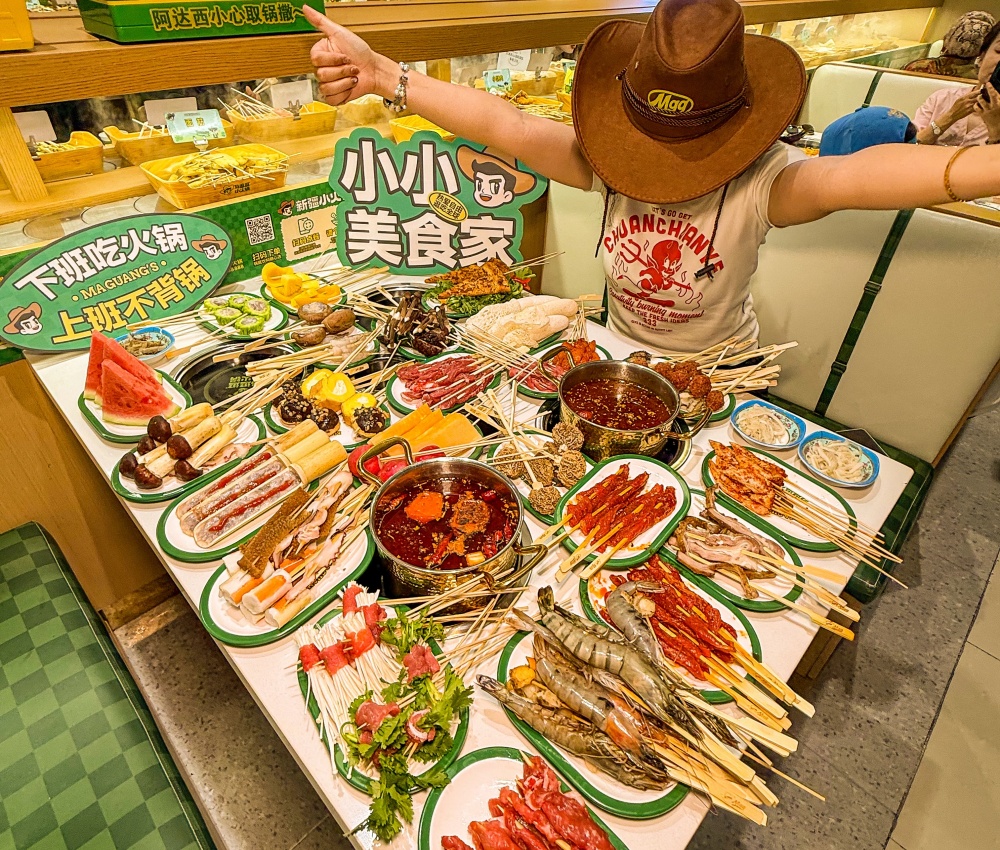
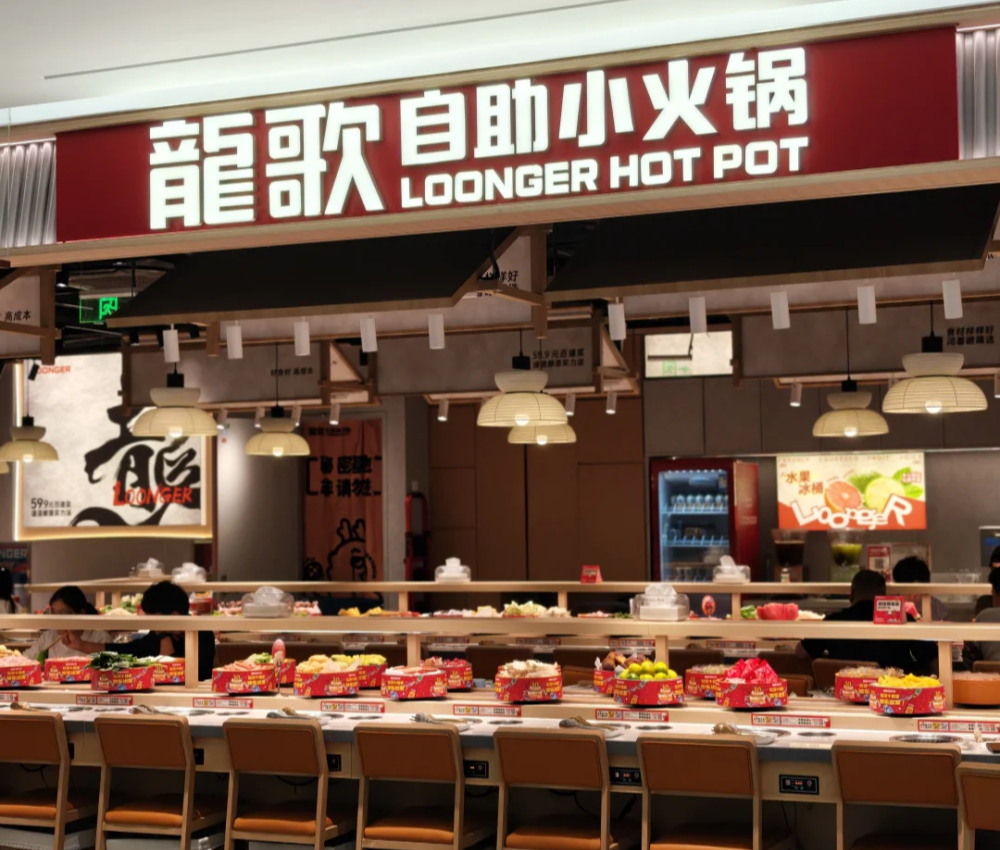
Currently, most rotating hot pot brands remain regionally focused, but competition is intensifying. Brands such as Sheng Xiang Ting, Yiwei Feiniu, Longge Hot Pot, and Haidilao’s sub-brands have rapidly expanded, with some adding over 100 stores annually between 2023 and 2025.
The key competitive barriers lie in three areas. First, supply chain standardization and centralized kitchens enable consistent quality and cost efficiency. Second, scenario innovation—such as youthful interior design and intelligent ordering systems—enhances customer engagement. Third, differentiated positioning allows brands to stand out, whether by focusing on marinated hot pot, seafood-based broths, or fusion menus.
Behind these strategies, reliable Restaurant Rotating Hot Pot Conveyor Belt systems play a foundational role in ensuring smooth operations and scalable expansion.
Proven Partnerships and Real-World Applications
HaiSheng Intelligent Technology Co., Ltd. has established long-term cooperation with leading rotating hot pot and catering brands, including Sheng Xiang Ting, Yiwei Feiniu, Longge Hot Pot, Xijia Self-Service Hot Pot, Ma Guang Guang Rotating Hot Pot, Haidilao, and Little Sheep.
Our equipment is widely deployed across diverse scenarios, from large shopping malls to campus dining halls. In commercial centers, quiet and stable conveyor systems support high traffic and fast-paced service. In campus and community locations, compact layouts and energy-efficient designs help operators control costs while maintaining a modern dining atmosphere.
Internationally, HaiSheng’s solutions have also been adapted to meet the needs of overseas markets, where automation, hygiene standards, and operational efficiency are critical factors in restaurant investment decisions.
Looking Ahead: Who Will Win the Category?
The future winners of the self-service rotating hot pot segment will be brands that master cost control, operational efficiency, and consumer experience simultaneously. Equipment automation will continue to be a decisive factor, enabling restaurants to scale quickly without sacrificing quality.
With a 10,000-square-meter intelligent manufacturing workshop and a deep understanding of rotating dining formats, HaiSheng Intelligent Technology Co., Ltd. remains committed to empowering restaurant brands through advanced Rotating Hot Pot Conveyor Belt Equipment—helping them compete, expand, and lead in a rapidly evolving market.