

The All-You-Can-Eat Rotating Hot Pot Boom: Opportunity, Competition, and the Technology Behind Sustainable Growth
The Rise of Rotating Hot Pot in the Low-Profit Era
The catering industry is currently navigating price wars and shrinking profit margins. Consumers are becoming increasingly rational, prioritizing affordability and variety. With an average spending range of RMB 30–60 per person, all-you-can-eat rotating hot pot meets the demand for high value while maintaining strong dining appeal.
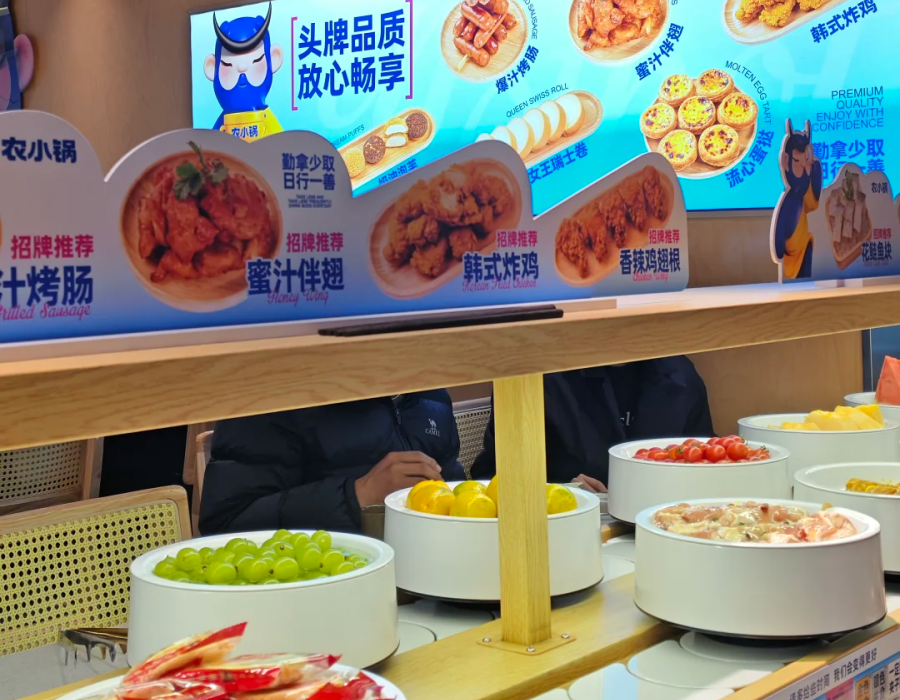
Compared with traditional hot pot, skewers, or spicy snack formats, rotating hot pot offers broader menu combinations—fried chicken, seafood, meats, vegetables, fruits, and beverages—often exceeding 40 SKUs. This abundance enhances perceived value while satisfying diverse dietary preferences.
Additionally, automation plays a central role. Rotating Hot Pot Equipment enables continuous food circulation, reducing manual delivery and lowering labor costs. Flexible store sizes help control rental expenses, while high table turnover strengthens profitability, especially in shopping malls facing declining foot traffic.
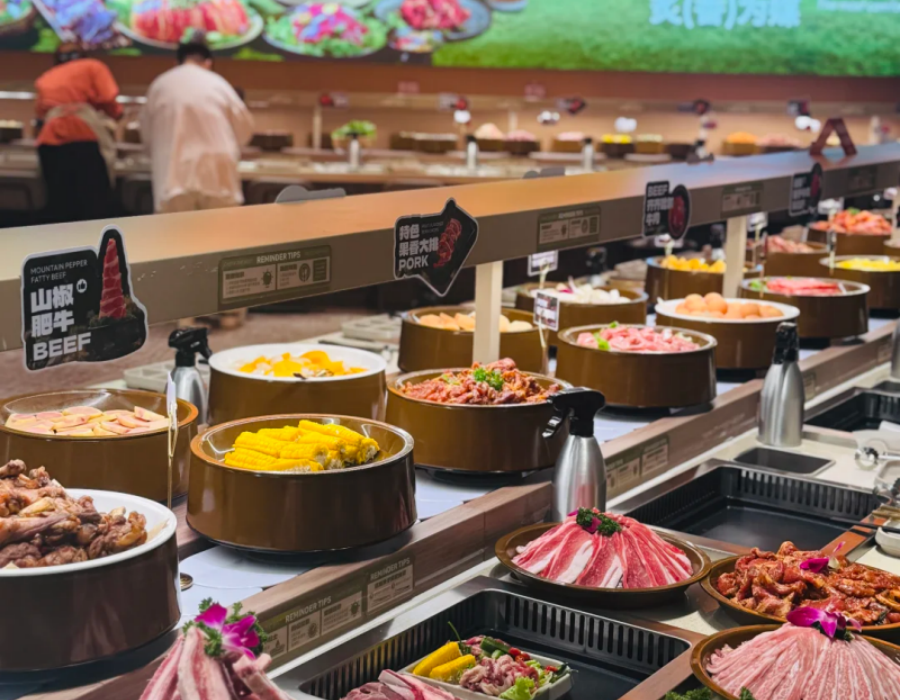
Five Key Drivers Behind the Popularity
First, extreme cost-performance ratios attract young consumers. Unlimited dining pricing models between RMB 29.9 and 59.9 create a strong sense of affordability.
Second, the one-person-one-pot format aligns with the “solo economy” and low-social-pressure dining trends. Customers can freely select dishes without complicated ordering, matching the rise of convenience-driven lifestyles.
Third, modern and transparent store designs appeal to younger demographics, reinforcing a clean and trendy brand image.
Fourth, social media marketing accelerates growth. Digital coupons and online promotions convert traffic into in-store visits, amplifying brand visibility.
Fifth, strong scenario adaptability ensures suitability for family gatherings, friend meetups, and corporate events, accommodating varied dietary needs across age groups.
These factors collectively demonstrate that self-service dining thrives by combining freedom, variety, and affordability.
Industry Pain Points and Technological Solutions
Despite rapid expansion, the segment faces challenges. Intense price competition compresses margins, while equipment durability and maintenance costs directly affect long-term profitability. Inconsistent conveyor stability, excessive noise, and frequent maintenance can undermine customer experience.
HaiSheng Intelligent Technology Co., Ltd. addresses these concerns through innovative Rotating Hot Pot Equipment featuring a dual-layer reinforced frame structure inspired by Japanese craftsmanship. Modular design simplifies installation and upgrades. Adjustable tension systems extend service life and reduce maintenance frequency.
The acrylic silent conveyor chain ensures smooth, wear-resistant, and stable operation. Complementary systems—such as intelligent delivery carts, ambient lighting, upper exhaust systems, and multifunctional storage drawers—allow restaurants to customize layouts based on space and investment budgets.
With CE, NSF, and UL certifications, HaiSheng’s All-You-Can-Eat Hot Pot Equipment is exported to more than 20 countries, including the United States, Canada, Australia, Malaysia, and major European markets, proving its reliability in diverse regulatory environments.
Sustainable Growth Requires Industrial-Level Efficiency
The rotating hot pot boom is more than a short-term trend—it represents a structural shift toward efficiency-driven dining models. In an era defined by cost control and consumer rationality, only brands that combine strong supply chains with advanced equipment infrastructure can achieve sustainable growth.
Backed by a 10,000-square-meter intelligent workshop and a team of over 100 engineers, HaiSheng Intelligent Technology Co., Ltd. continues to empower restaurant operators worldwide with durable, innovative Rotating Hot Pot Equipment—helping them transform popularity into long-term profitability.